Experiential Marketing Ideas That Go Beyond the Photo Booth
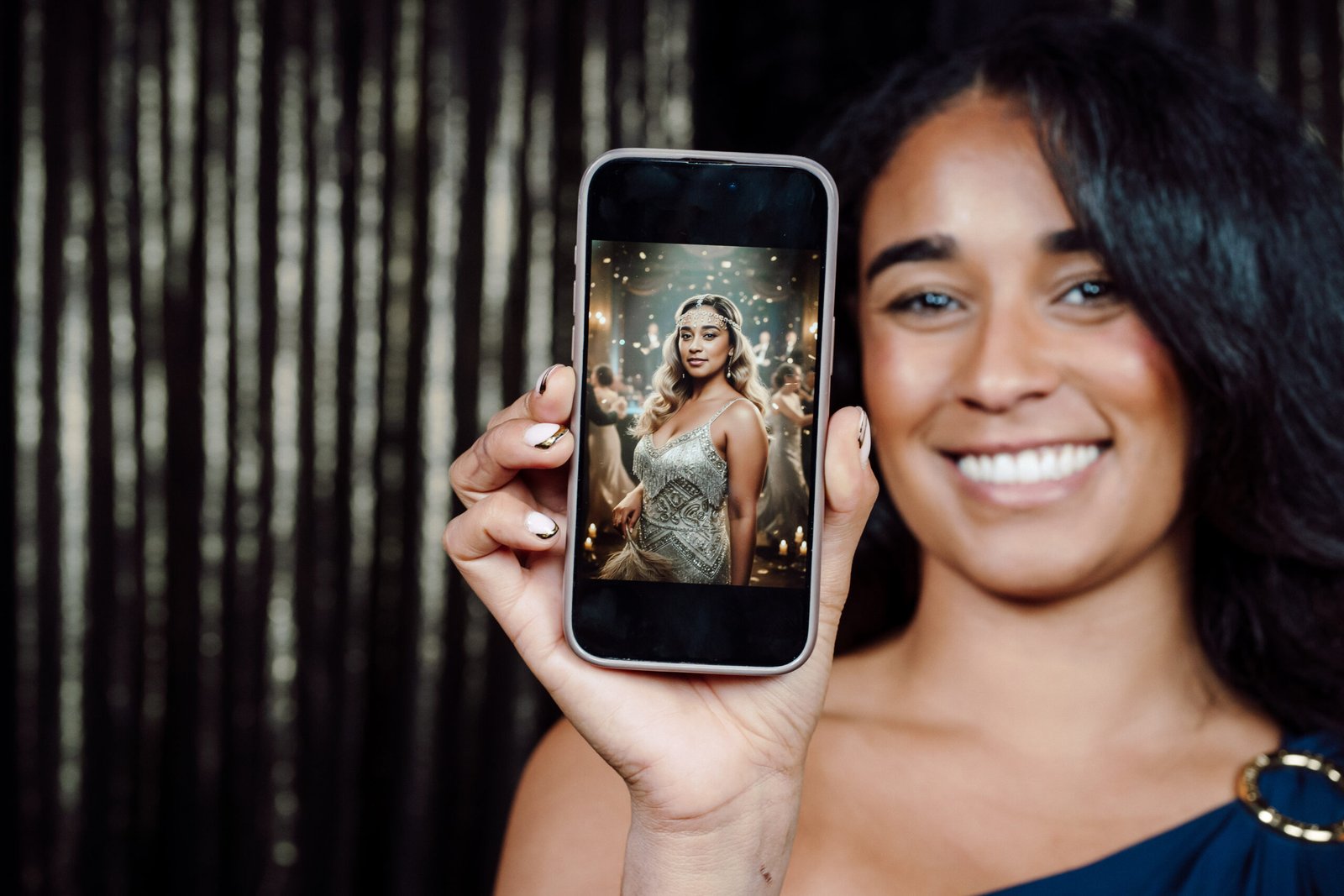
When people are constantly exposed to something, they become desensitized and start ignoring that thing. That’s why today’s audience is so hard to impress. People scroll past ads in seconds, maybe not even noticing that it was an ad, they skip commercials automatically and walk through branded events thinking about everything but what’s in front of them.
Attention spans are short and the competition has become aggressive. Traditional marketing alone isn’t enough to form an emotional connection. So experiential marketing has become the go-to strategy.
The best experiential marketing ideas make passive audiences interactive participants that will capture, share, remember and talk about the event long after it ends. The most successful activations make the audience feel involved instead of marketed to.
This guide explores the best ideas for experiential marketing that go beyond the standard photo booth setup, and explains why immersive brand experiences dominate over other modern marketing strategies.
What Is Experiential Marketing?
Experiential marketing focuses on creating interactive brand experiences that allow people to engage directly with a company, product or campaign.
Instead of watching an ad, consumers become part of the experience.
This looks like:
- Interactive pop-ups
- Live installations
- Product demonstrations
- Immersive environments
- Gamified experiences
- Branded lounges
- AR and VR activations
- Social media experiences
People are far more likely to remember a brand they directly interacted with as opposed to one they only saw on a billboard while sitting in traffic.
Why Experiential Marketing Works So Well
Traditional advertising tries to interrupt attention so it can grab it and hold onto it.
Experiential marketing makes the consumer think it was their idea to divert their attention.
When guests actively participate in a campaign, they become more emotionally connected to the brand behind it. Emotional reactions and attachments lead to stronger recall, higher engagement and increased social sharing.
Experiential campaigns help brands:
- Build emotional connection
- Increase social media exposure
- USG content
- Encourage word-of-mouth marketing
- Create stronger brand memorability
- Increase event participation
More importantly, people enjoy experiences that feel authentic and interactive instead of promotional.
Top 8 Best Experiential Marketing Ideas for Your Next Campaign
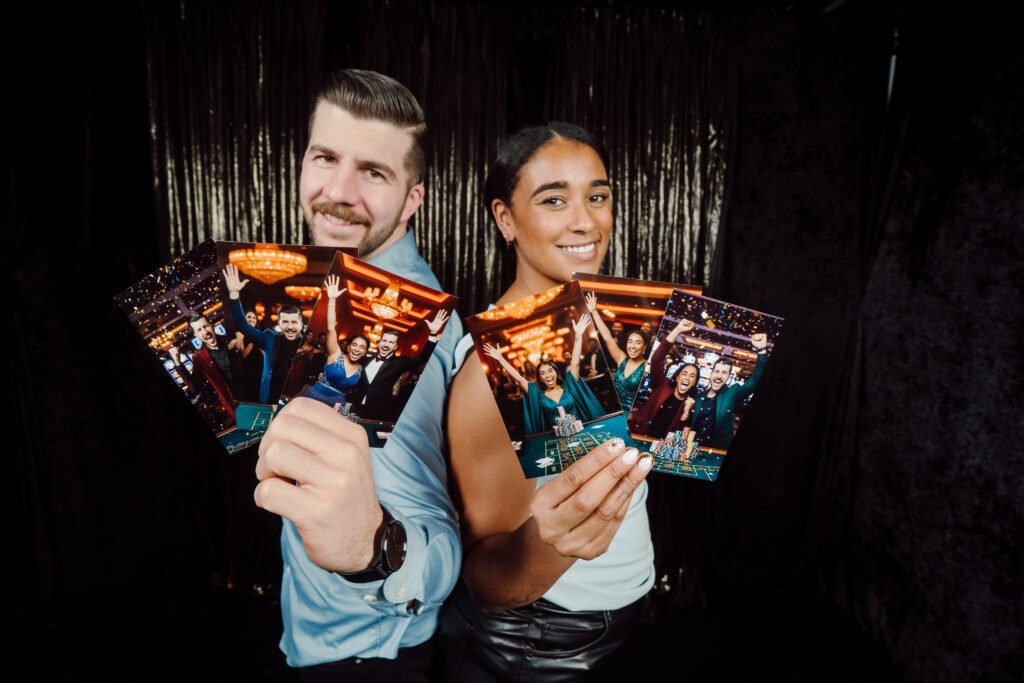
The first idea that comes to mind is probably a simple photo booth setup, with branded layouts and output. That will increase active participation and social sharing, right?
Yes, but that’s been done too many times. It’s not a novelty and people can quickly start comparing brand activations and judging the brand behind them.
Here are some of the most unique experiential marketing ideas that aren’t just a photo booth setup:
Interactive Installations
Interactive installations remain one of the strongest experiential marketing concepts because they immediately pull people into the environment.
Instead of asking attendees to observe their surroundings, installations encourage them to explore and participate.
Most popular examples are:
- Motion-reactive LED walls
- Interactive projection mapping
- Touch-sensitive displays
- Digital graffiti walls
- Interactive product showcases
These experiences fit most naturally at:
- Trade shows
- Product launches
- Retail activations
- Festivals
- Corporate events
The more visually dynamic the setup feels, the more likely guests are to stop and engage.
Branded Pop-Up Experiences
Pop-up activations have become one of the fastest-growing experiential marketing formats because they create urgency and exclusivity.
Temporary experiences attract attention because people know they’ll not be there for long. FOMO kicks in real fast.
Successful pop-up campaigns often include:
- Interactive product testing
- Themed environments
- Limited-edition launches
- Live demonstrations
- Influencer collaborations
The best campaigns blur the line between retail, entertainment and content creation.
Gamification and Interactive Challenges
People love competition even when the prize is meaningless. Office trivia nights and claw machines have proven this repeatedly.
Gamified experiences mean high participation because they make engagement feel rewarding.
Brands commonly use:
- Prize wheels
- Interactive scavenger hunts
- Leaderboards
- Timed competitions
- QR code challenges
- Skill-based games
- Interactive touchscreen quizzes
These experiences work particularly well because they increase dwell time, encourage repeat interaction and participation, create social-media-ready shareable moments and, most importantly, collect customer data naturally.
Gamification is the easiest experiential marketing method to turn audiences into active participants.
Immersive Themed Environments
Immersive environments are a hit because they create emotional impact by fully transforming a space around the concept of the campaign.
This might look like:
- Tropical brand lounges
- Futuristic tech spaces
- Vintage-inspired set ups
- Interactive museum-style installations
- Multi-room storytelling experiences
- Seasonal themed activations
These setups encourage guests to spend more time exploring and taking photos due to the unique visuals. This is how you make every corner content-worthy.
Live Demonstrations and Product Experiences
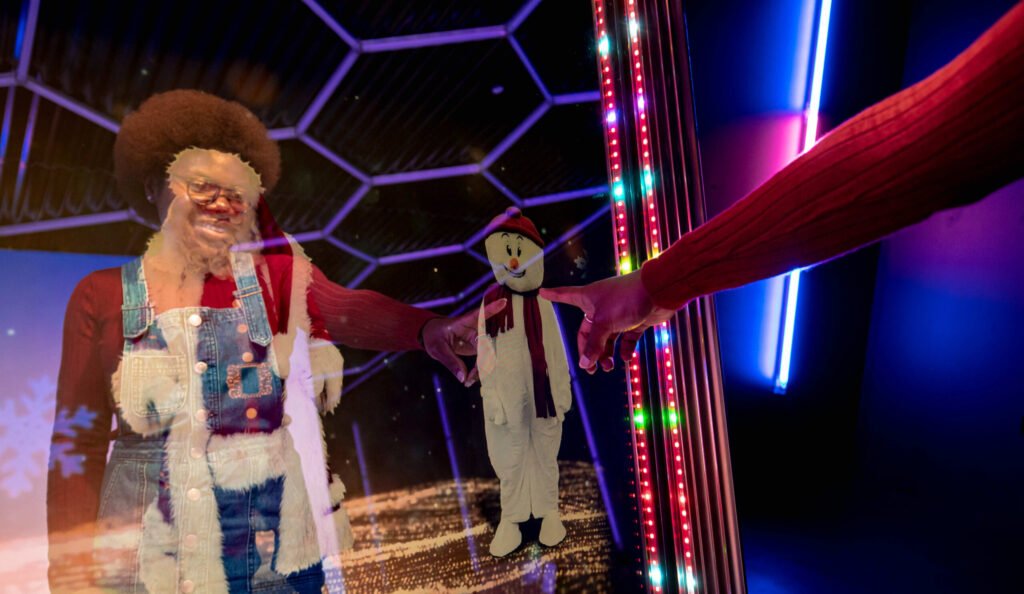
Personal experience will beat advertising claims anyday. So live demonstrations remain one of the most effective experiential marketing strategies.
Instead of telling people why a product is useful, brands let them experience it directly.
This works great for:
- Beauty brands
- Fitness products
- Food and beverage companies
- Technology launches
- Automotive brands
- Lifestyle products
Hands-on interaction gives potential customers enough information for them to feel confident in their buying decisions.
Social Media Stations
Experiential marketing and social media work together constantly. Brands continue to build experiences specifically designed for online sharing.
Fruitful social-media-focused activations often include:
- Interactive backdrops
- Content creation stations
- Branded selfie installations
- TikTok-friendly setups
- Reels recording spaces
- Custom hashtag integrations
If the setup looks good online, guests will be easily prompted to share. Essentially, they become unpaid marketing teams carrying your campaign directly into their followers’ feeds.
Augmented Reality and Virtual Reality Experiences
AR and VR activations aren’t a new idea but these technologies aren’t used enough.
They easily attract attention because people stay curious about immersive technology.
Brands use AR/VR to create:
- Virtual product demonstrations
- Interactive storytelling
- Simulated environments
- Digital games
- Virtual tours
- Immersive brand worlds
These activations are most effective for technology, tourism, automotive and entertainment brands.
Interactive Workshops
Not every experiential campaign needs flashing lights and giant installations. Sometimes educational experiences create stronger long-term engagement.
Interactive workshops work because they provide the kind of value attendees can take home with them as an experience or skill.
The most popular designs look like:
- Beauty tutorials
- DIY workshops
- Fitness classes
- Cocktail-making experiences
- Creative sessions
- Product education events
Guests leave feeling good about themselves because they just learned something new, and who doesn’t feel confident and smart when they gain some practical knowledge?
How Brands Combine Multiple Experiential Marketing Formats
Having one experiential setup is one thing, but strategically combining multiple, now that’s a unique and bold move that will get people talking.
Strong campaigns combine:
- Interactive environments
- Social sharing
- Gamification
- Live entertainment
- Product interaction
- Content creation opportunities
The layered approach keeps guests engaged longer while increasing the likelihood they share more content online.
Common Mistakes Brands Make with Experiential Marketing
Even the greatest experiential marketing setups can fail when the execution is disconnected or confusing for guests.
Be wary of these potential mistakes:
- Overcomplicating the experience: If participation requires too many instructions, guests lose interest quickly.
- Prioritising aesthetics over interaction: A setup may look impressive, but without guest participation, it becomes background decor.
- Ignoring social sharing: Modern campaigns should encourage photos and videos since UGC extends the reach far beyond the event itself.
- Weak brand integration: Branding that is overly in the audience’s face will only overwhelm them and they’ll associate negative feelings with the event and brand.
- Bad guest flow: Guests should immediately understand where to go and what to do, otherwise engagement takes a hit.
Create Experiences People Will Remember with Creative Canvas
The best experiential marketing ideas go far beyond just entertaining attendees. They establish an emotional connection between attendee and brand, encourage them to actively participate and share content on their socials which leads to lasting visibility and organic reach.
Whether you choose an immersive pop-up, a gamified activation, an interactive installation or all of them combined, successful experiential marketing turns any passive bunch into active participants.
At Creative Canvas, we help brands create interactive campaigns designed for engagement, social sharing and audience connection through hands-on participation.
Reach out today and let;s make your next campaign event so fun your guests will already be asking when the next one will be.
Latest Blog
Custom Photo Booth Accessories Vancouver Guests Will Love

Traditional vs Digital Photo Booths Vancouver: Which Is Right for Your Event?